

The teams around the homeowner.
Homeowners first. Then the architects, builders, estate managers, brokers, and business owners who make a project work. Each gets a different conversation with us, and this page says what each can count on.
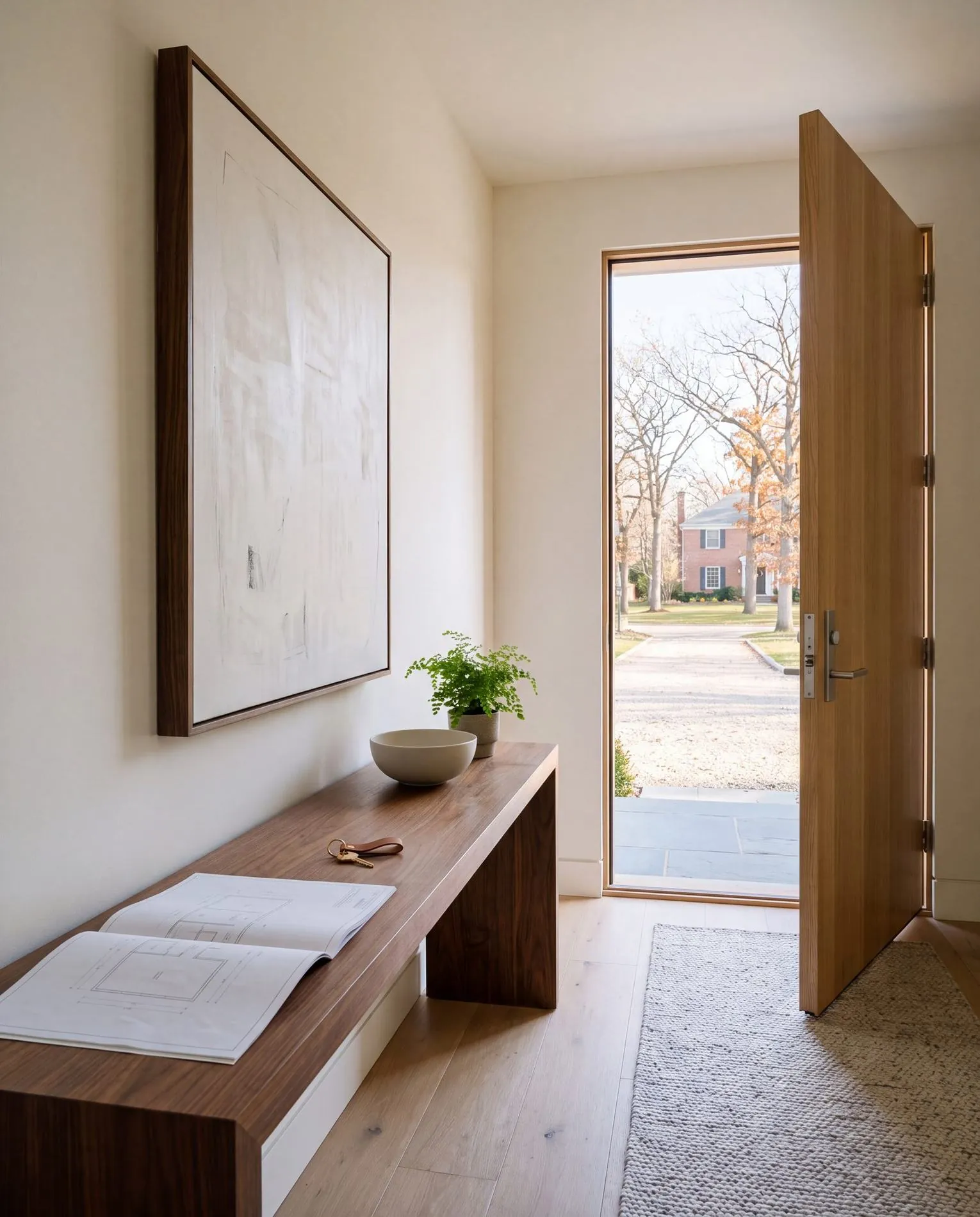
Why does OneTen work
with the whole team?
Because the technology touches every trade. A keypad sits on a wall the architect designed, cable runs on the builder's schedule, the estate manager takes the call when something fails, and the agent explains the system at the showing. The work goes better when all of them know us from the start.

Architects and interior designers.
We work from your drawings. Device locations, sightlines, finishes, and faceplates are agreed with you before anything is cut, so the technology sits inside the design rather than on top of it.
When should the integrator join the design team?
At design development, before the electrical plan is fixed. That is when a keypad can move off a feature wall, a speaker can be centered on the architecture, and a rack can be given a room with air. Later than that and every fix is a compromise on your drawing.
- Low-voltage drawings and device schedules issued in your format, on your dates
- Keypads, speakers, and vents placed on elevations, not decided at the last minute
- Finish and faceplate options that match the door hardware and millwork
- A single point of contact through rough-in, commissioning, and handover
What we will never do. Put a panel in the middle of a wall you designed, arrive with equipment nobody approved, or leave the general contractor to explain our work to your client.
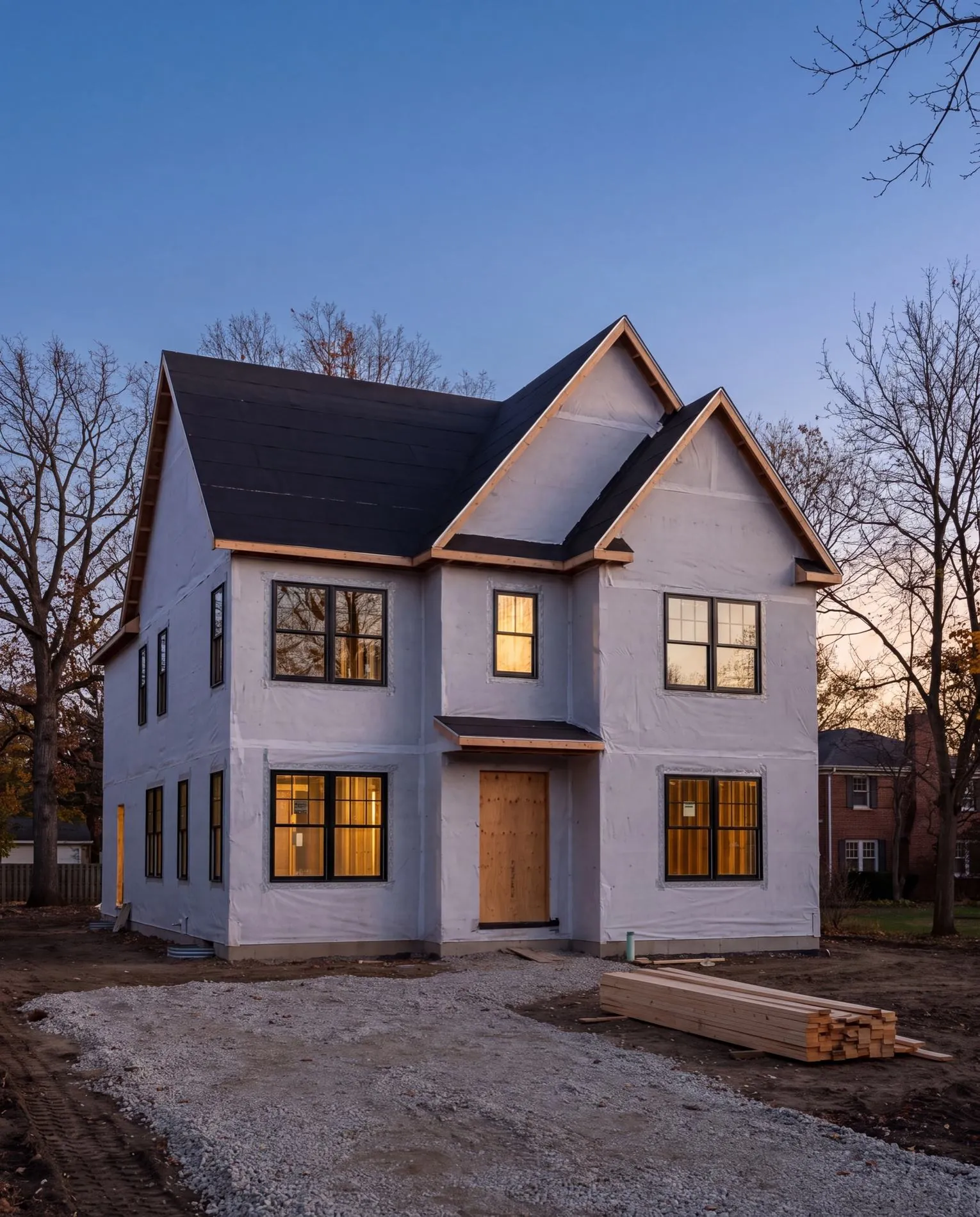
Custom builders and remodelers.
Rough-in on your schedule, coordinated with the electrician, and documented so nothing is discovered behind drywall. One number to call, and no surprises at the walkthrough.
How does OneTen fit into a build schedule?
We walk the site before insulation, pull and label to the drawings, and leave you a marked set. Trim happens when the finishes are ready, not when the box arrives, and we commission before the client walks the house rather than after.
- Pre-rough-in walkthrough with the electrician and the framing crew
- Cable pulled, labeled, and tested before insulation goes in
- Equipment room, power, and ventilation requirements given early in writing
- Change orders agreed before the work, never quietly after it
What you can hold us to. We show up on the dates we gave you, we do not ask your crew to fix our oversights, and the client hears one story about the technology from both of us.
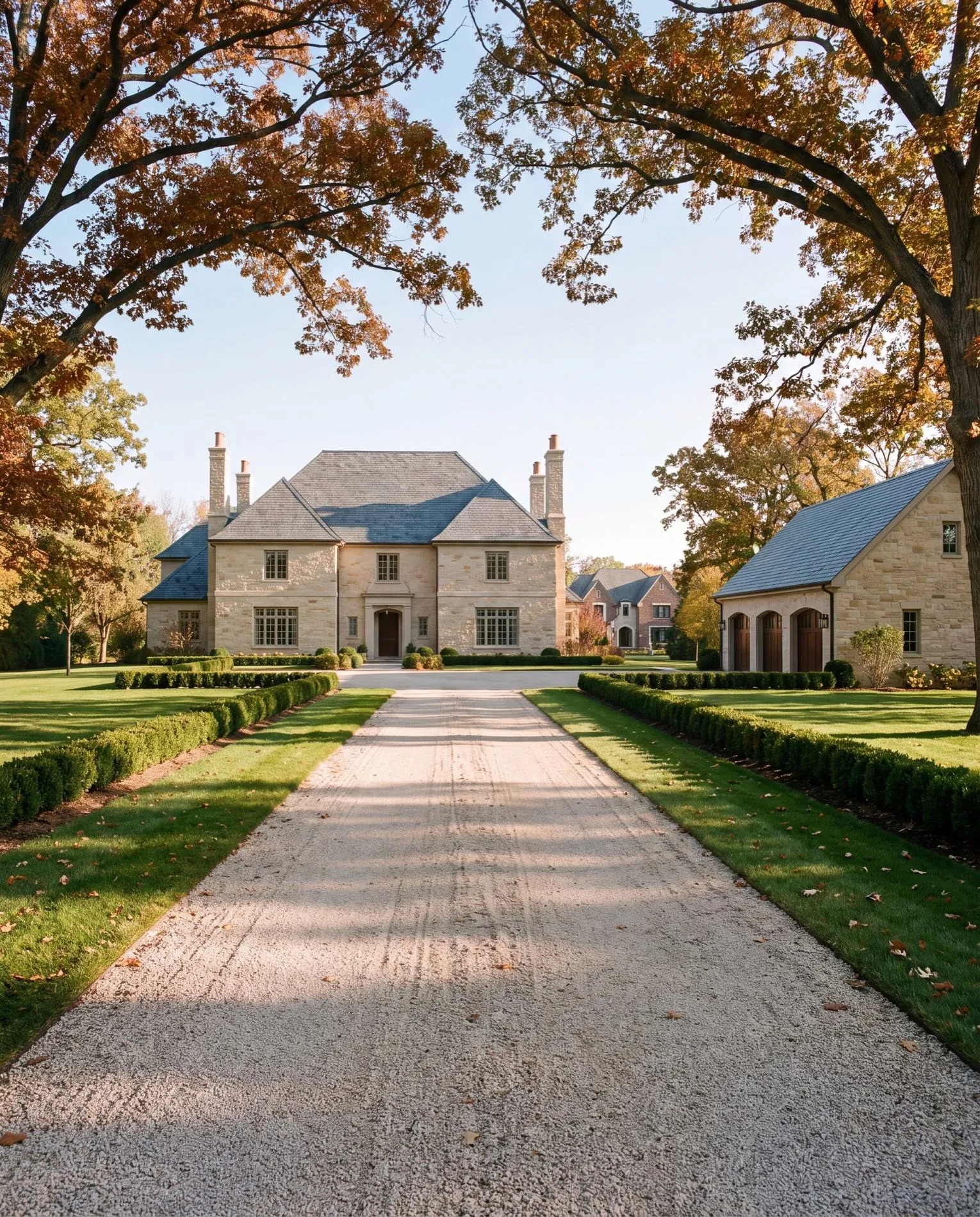
Estate managers.
You are the one who gets called when the system fails. We document everything, monitor the network and power, and fix most faults remotely, so the answer takes minutes rather than days.
What does an estate manager get that a homeowner does not?
Access and a direct line. You get the drawings, the credentials, the device list, and a support agreement that says who to call, so you can brief a housekeeper, let in a contractor, or reset a room without waiting for us.
- A documented system: drawings, naming, credentials, and service history
- Monitoring on the network and power, with remote restarts
- Scheduled visits before the season changes and the house fills up
- Training for house staff, repeated whenever the team changes
How we handle access. Credentials are handed over, not held hostage. If you replace us, the next company gets a system it can read.

Real estate professionals.
Before a listing goes live or a buyer signs, we tell you plainly what the technology in the house actually is: what works, what was abandoned, and what it would take to fix.
How does technology affect a sale in these towns?
A house with a failed system reads as deferred maintenance, and buyers price it that way. A short evaluation gives you a clean answer for the listing, instead of a mystery panel nobody can log into.
- Pre-listing technology review, with photographs
- Buyer handover: what is installed, how it runs, who supports it
- Fast, targeted fixes that make a house show properly
- Discreet visits, timed around showings
On discretion. We do not name clients, addresses, or listings, and nothing we photograph on a job goes anywhere without written permission.
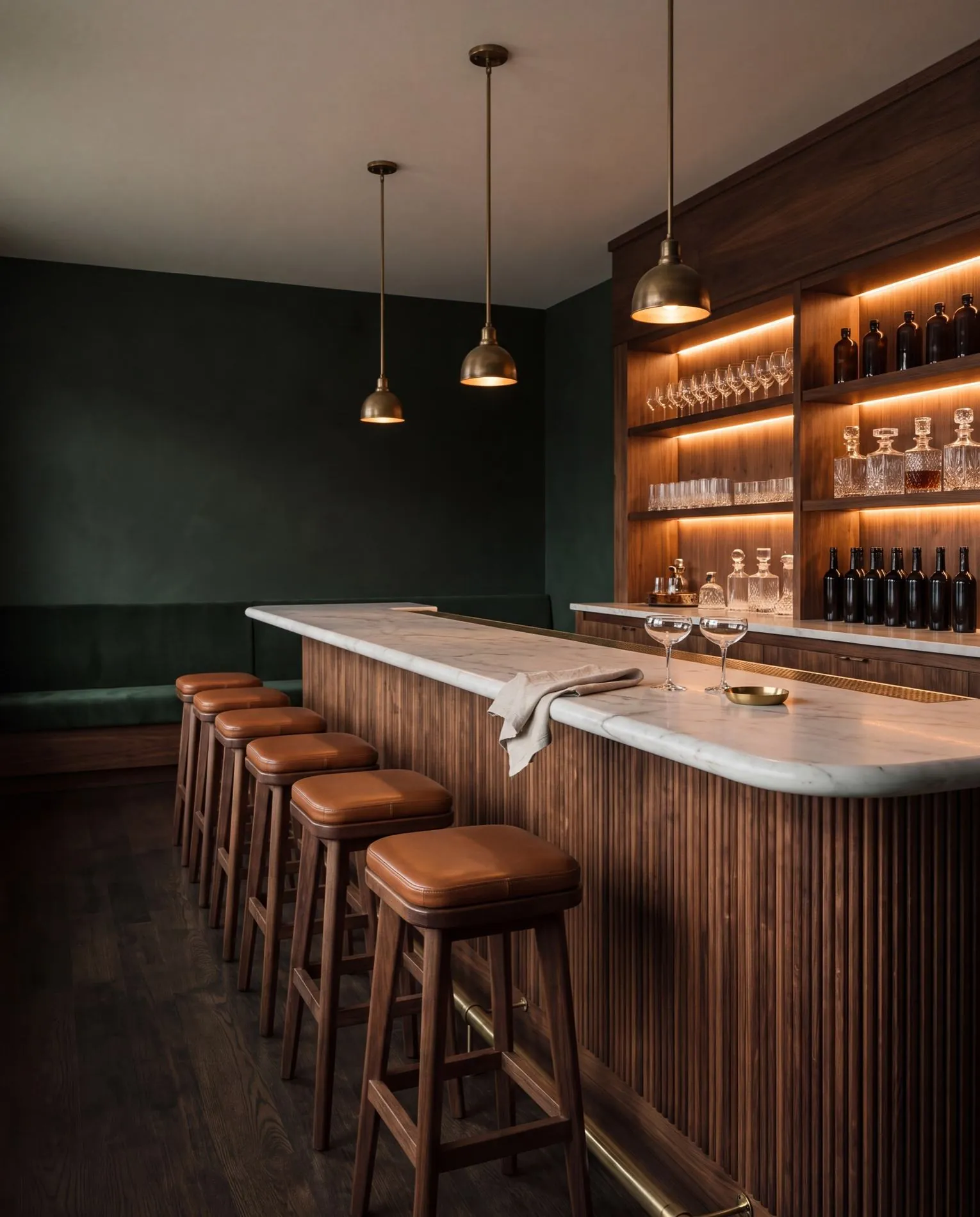
Business owners.
Sound, screens, conferencing, and the network underneath them, built for a full Friday service and a Monday morning meeting. Our family runs restaurants and bars, so we design for the staff who use it.
What makes hospitality different from a home?
Hours, hands, and volume. A bar system is touched by every shift, has to be loud without being harsh, and cannot be fixed at eight on a Saturday. So zones, limits, and controls are set for staff, and the equipment is racked where a busy room cannot reach it.
- Zoned music with volume limits the room cannot override
- Game-day and menu screens, scheduled or switched from one panel
- Conference rooms that start on time, with one-touch joining
- Networks, power, and support agreements sized for a business
Why we understand the floor. We have stood behind a bar on a Friday. A system that needs a manual on a busy night is a system that will be unplugged by Sunday.